
麺のことなら全てお任せください
 テレビ
テレビ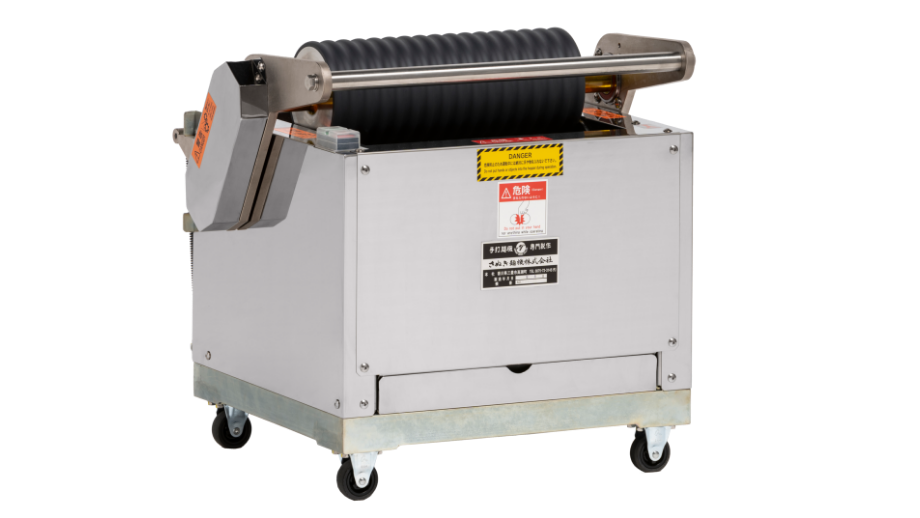
Rolling Press
A machine that makes it easy to perform foot-kneading and dough ball forming — two essential steps in the handmade noodle-making process.
Compatible Noodle Types
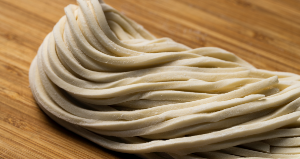
Udon
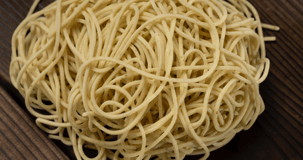
Ramen
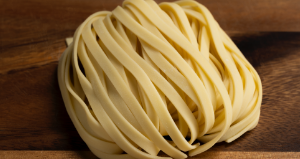
Pasta
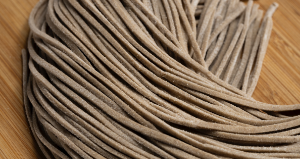
Soba
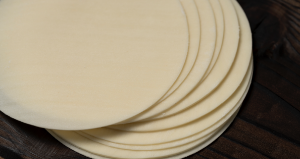
Gyoza wrappers
Noodle-Making Process
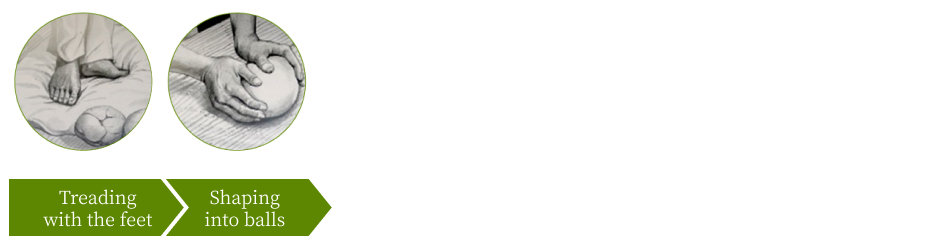
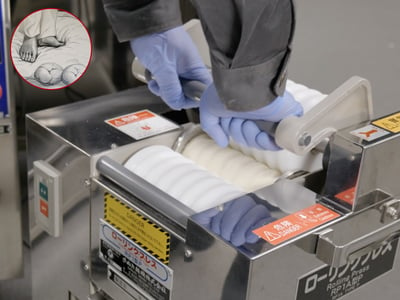
Foot Kneading
The kneaded dough from the previous step is repeatedly compressed to complete the hydration process. Since gluten develops its strongest elasticity when force is applied from all directions, kneading and foot-pressing are performed in one continuous motion. A roll that replicates the contoured surface of the arch, toe, and heel of a foot applies pressure while rotating in 4 directions, promoting gluten formation deep into the dough and bringing the surface to a smooth finish. The key is to apply gradual pressure equivalent to a person's body weight (approximately 60 kg), without damaging the dough structure.
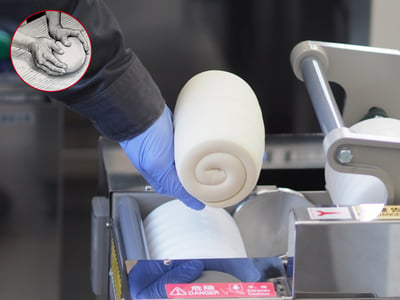
Dough Ball Forming
Forming the dough ball is an indispensable step that plays a critical role in the processes that follow. The rested dough is thoroughly worked through kikumomi (chrysanthemum kneading), reactivating the gluten network and building a stronger mesh-like structure. By applying pressure while rotating the dough, the kikumomi effect reaches all the way to the interior. Since rested dough is softer and easier to shape, the result is a smooth, fine-textured dough ball.